
MBBS in Georgia 2026: Complete Guide for Indian Students
Introduction
Every year, thousands of Indian students dream of becoming doctors. However, limited government seats, high tuition fees in private medical colleges, and intense competition in NEET make pursuing MBBS in India challenging for many deserving students.As a result, MBBS in Georgia has emerged as one of the most preferred destinations for Indian students seeking high-quality and globally recognised medical education. Georgia offers modern universities, English-medium MBBS programs, affordable tuition fees compared to many private medical colleges, and degrees recognised by major international organisations.
Whether you’re exploring medical education abroad for the first time or comparing different countries, this comprehensive guide covers everything you need to know about studying MBBS in Georgia in 2026. You’ll learn about eligibility criteria, admission process, tuition fees, living expenses, top medical universities, NMC guidelines, career opportunities, and much more.By the end of this guide, you’ll have a clear understanding of whether Georgia is the right destination for your medical career.
Georgia has become one of the fastest-growing destinations for international medical education due to its excellent academic standards, affordable cost of education, and student-friendly environment.
Some of the major reasons why Indian students choose Georgia include:
Internationally recognised medical universities
English-medium MBBS programs
Affordable tuition fees compared to many private colleges
Modern laboratories and advanced teaching methods
High-quality clinical exposure in affiliated hospitals
Safe and welcoming environment for international students
Simple admission process with no entrance examination by universities
Globally recognised medical degree (subject to meeting applicable licensing and regulatory requirements)
Georgia combines quality education with affordability, making it an attractive option for students who wish to pursue a medical career abroad.
MBBS in Georgia 2026: Quick Highlights
| Particular | Details |
|---|---|
| Course | MBBS / MD Equivalent |
| Duration | 6 Years (including clinical training as per university curriculum) |
| Medium of Instruction | English |
| Eligibility | 10+2 with Physics, Chemistry & Biology |
| Minimum Age | 17 Years |
| NEET Requirement | As per current NMC regulations for Indian students intending to practise in India |
| Annual Tuition Fees | Varies by university |
| Living Cost | Depends on city and lifestyle |
| Popular Cities | Tbilisi, Batumi, Kutaisi |
| Degree Recognition | Subject to recognition by relevant authorities and fulfilment of licensing requirements |
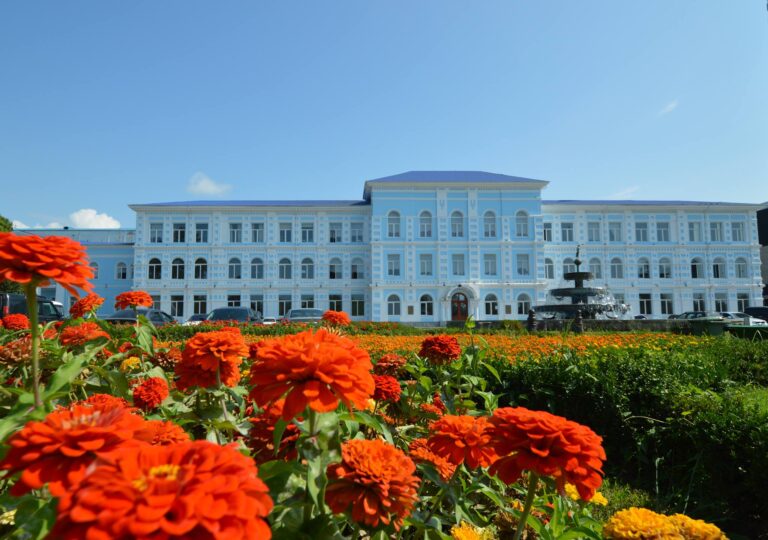
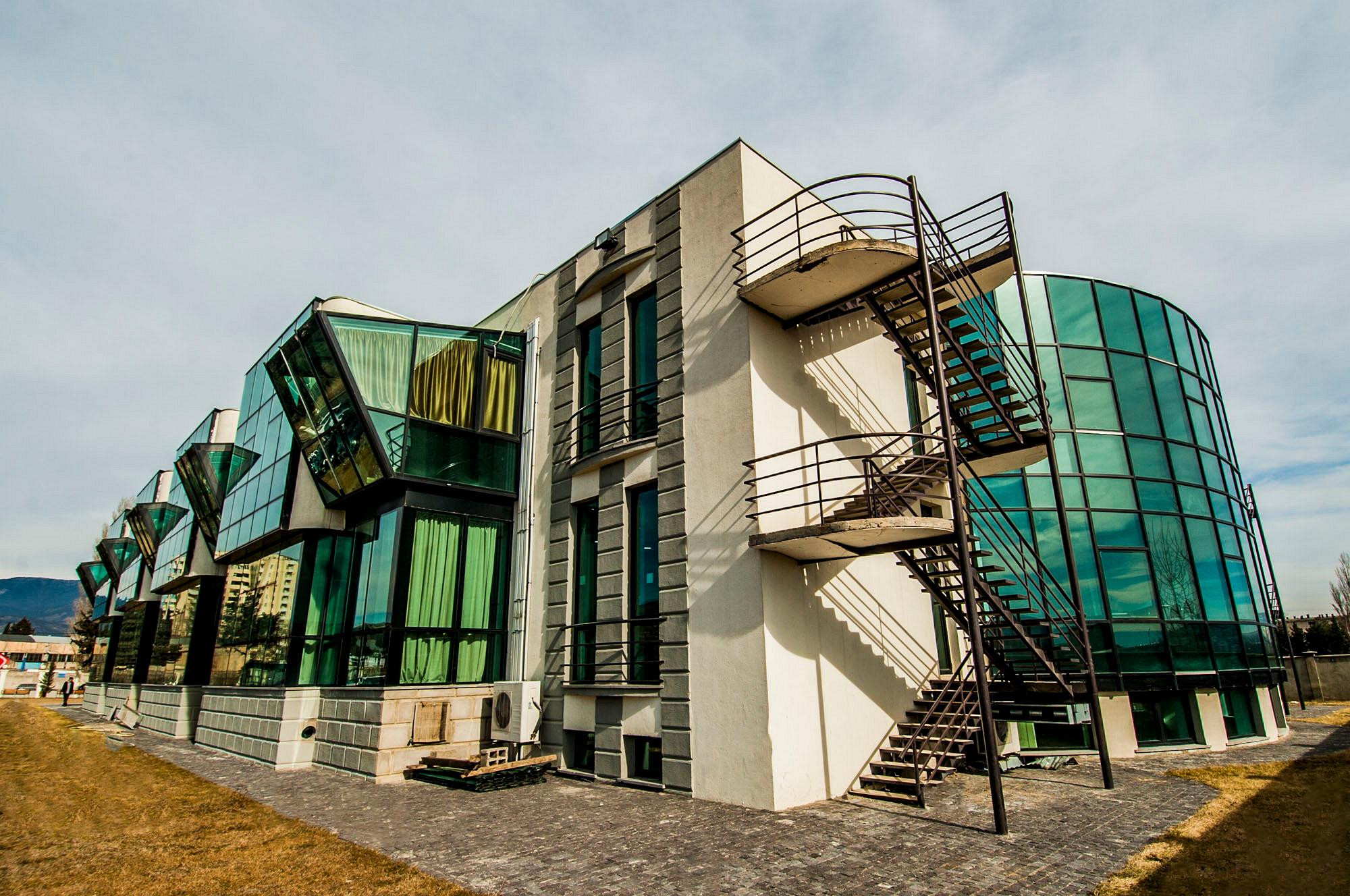
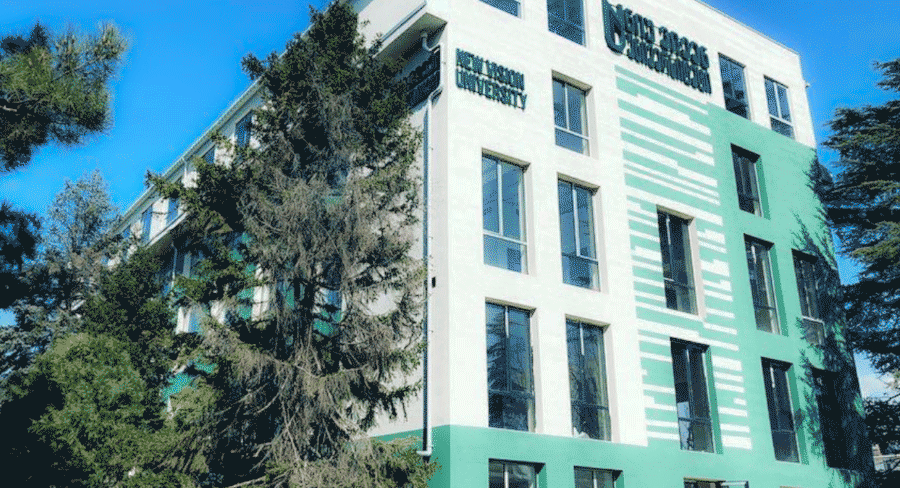
Top Medical Universities in Georgia


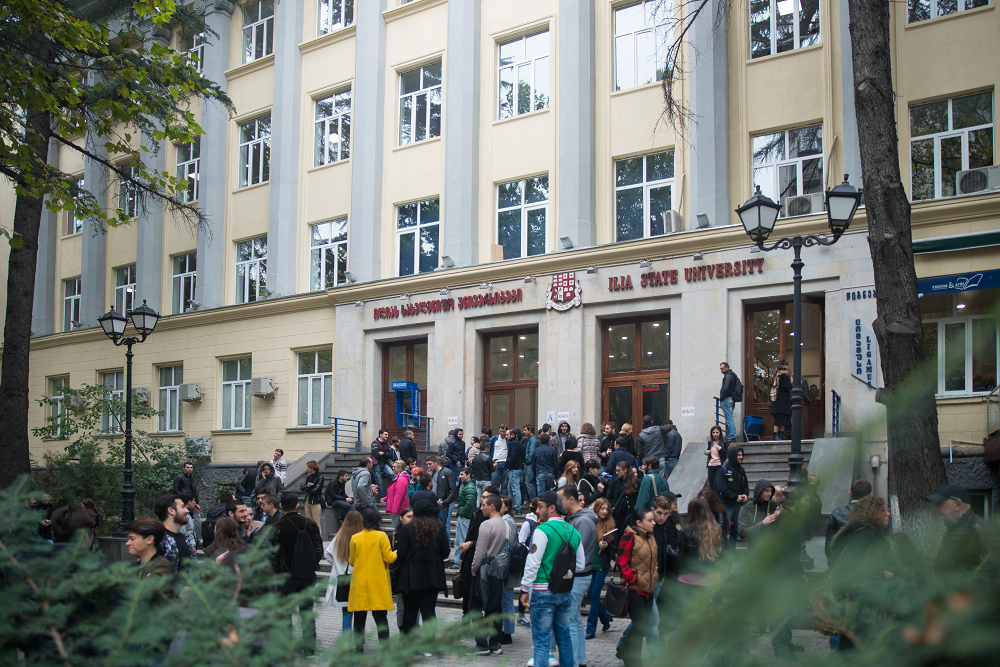
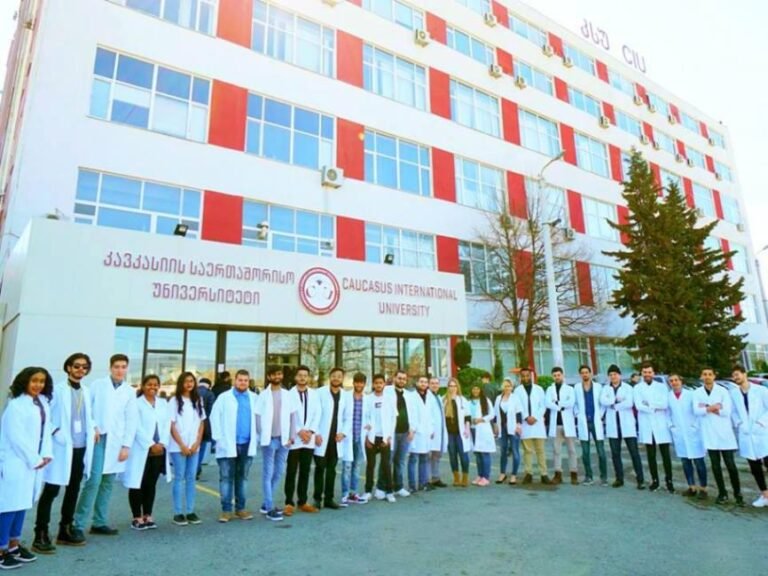

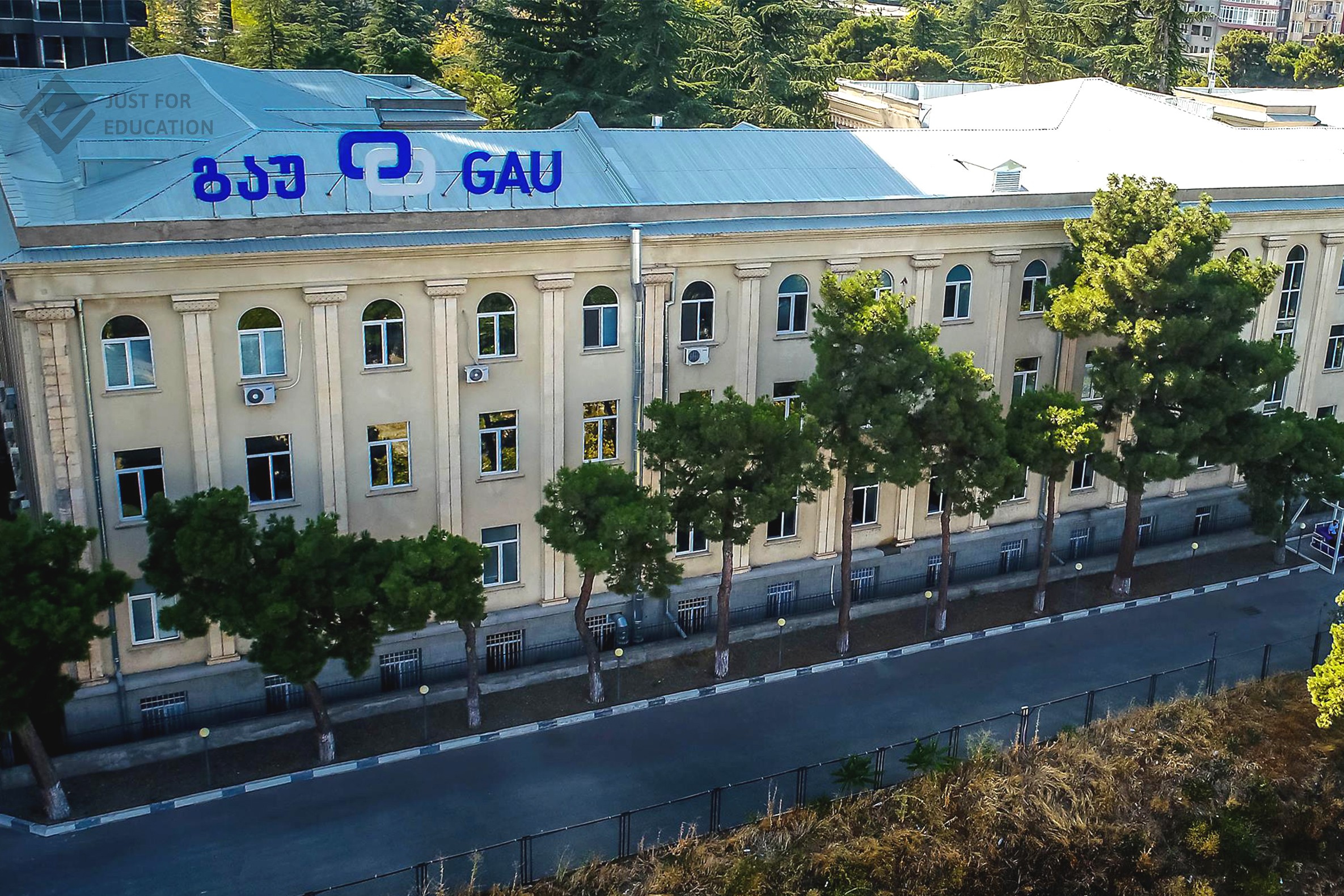
- Affordable medical education: Georgia can be a more affordable option for students who cannot secure or afford a private MBBS seat in India.
- English-medium programs: Many Georgian medical programs are taught in English, which is convenient for international students.
- 6-year medical program: Georgia’s undergraduate MD program is six years, including the final-year internship.
- Growing Indian student community: Indian students have increasingly chosen Georgia for higher education, particularly medical programs.
- European educational environment: Students get exposure to a different healthcare and educational system while studying medicine.
- Location and accessibility: Georgia is relatively accessible from India compared with some other international destinations.
- Admission opportunities: Students who qualify under the applicable Indian requirements can explore Georgian medical universities when they don’t get their preferred medical seat in India.
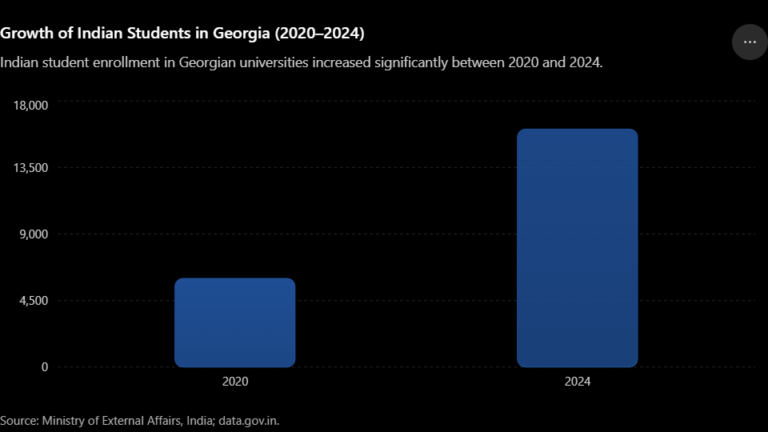
“The number of Indian students choosing Georgia for higher education has grown significantly in recent years. In 2024, more than 16,000 Indian students were enrolled in Georgian universities, with a large proportion pursuing medical education. This growing Indian student community is one of the reasons Georgia has become a popular destination for students looking to study medicine abroad.”
MBBS in Georgia Admission Process for Indian Students
The admission process for MBBS in Georgia is generally straightforward. However, students should carefully check the requirements of the university before applying.
Here is the step-by-step admission process:
Step 1: Choose the Right Medical University
The first step is choosing a suitable university. Students should compare universities based on:
- Course curriculum
- Tuition fees
- Location
- Accommodation
- Clinical training
- University accreditation
- Facilities available for students
Students planning to return to India after completing their medical degree should also carefully check the applicable NMC requirements before taking admission.
Step 2: Check Your Eligibility
Before applying, make sure you meet the academic requirements of the university.
Generally, students need to have completed Class 12 with Physics, Chemistry and Biology. Indian students who want to practise medicine in India after completing their degree abroad should also ensure they meet the applicable NEET and NMC requirements.
Step 3: Submit Your Application
Once you choose a university, you need to submit the required documents and application form.
The university will review your application and academic documents.
Step 4: Receive the Admission Letter
If your application is accepted, the university may issue an admission or offer letter.
Students should carefully read the admission letter and confirm important details such as:
- Course name
- Course duration
- Tuition fees
- Payment schedule
- Refund policy
- Terms and conditions
Step 5: Complete the Fee Payment Process
Students may need to pay the required university fees according to the official payment instructions.
Always make payments through official university-approved channels and keep all payment receipts safely.
Step 6: Apply for a Student Visa
After completing the admission formalities, students need to follow the required visa process.
Visa requirements may change, so students should always check the latest requirements through the official Georgian authorities or the relevant embassy before applying.
Step 7: Travel to Georgia and Complete University Registration
After receiving the required travel and visa approvals, students can travel to Georgia and complete the final registration process at the university.
Documents Required for MBBS in Georgia
The exact documents required may vary depending on the university and visa requirements. However, students are commonly asked to provide:
- Valid passport
- Class 10 marksheet and certificate
- Class 12 marksheet and certificate
- NEET scorecard, where applicable
- Passport-size photographs
- Birth certificate, if required
- Medical fitness certificate, if required
- University application form
- Admission or offer letter
- Other documents requested by the university or visa authorities
Important: Always confirm the latest document requirements directly with the university and official authorities before submitting your application.
MBBS in Georgia Fees for Indian Students
The cost of studying MBBS in Georgia depends on several factors, especially the university you choose.
Your total expenses may include:
- Tuition fees
- Hostel or accommodation charges
- Food and daily expenses
- Health insurance
- Visa and travel expenses
- Books and other study materials
- Residence or registration-related expenses, where applicable
Different universities have different fee structures. Therefore, students should not choose a university based only on the lowest advertised fee.
Before taking admission, ask for a clear breakdown of the total cost for the complete course. Also check whether the quoted fee includes accommodation, insurance, administrative charges or other expenses.
Before making any payment, make sure you understand:
- The annual tuition fee.
- Whether the fee is fixed or can increase in future years.
- Hostel and accommodation costs.
- The payment schedule.
- Refund and cancellation policy.
- Any additional university charges.
- The estimated cost of living.
This will help students and parents plan their budget properly and avoid unexpected expenses later.
Important: Fees can change from one university to another and may also be revised. Always check the latest official fee structure directly with the university before making a final decision.
Cost of Living in Georgia for Indian Students
Accommodation: Shared accommodation or student dormitories can help reduce monthly expenses. In Tbilisi, accommodation costs vary depending on whether a student chooses a dormitory, shared apartment, or private accommodation. Smaller cities such as Kutaisi can be more affordable.
Food: Food expenses depend mainly on whether students cook at home or eat outside. Students who prepare their own meals and shop at local markets can manage their budget more easily. Indian students can also find Indian food options in major student cities.
Transportation: Public transportation is relatively affordable in Georgia. Students can use buses and metro services for daily travel, particularly in Tbilisi.
Utilities and Internet: Students should also budget for electricity, heating, water, mobile services, and internet. These costs may vary depending on accommodation and whether utilities are included in the rent.
Personal Expenses: Clothing, toiletries, entertainment, study materials, and other personal expenses should also be included in the monthly budget.
Approximate Monthly Budget
For planning purposes, international students can consider a rough monthly living budget of $400–$700, excluding tuition fees. The actual amount can be lower or higher depending on the city, accommodation, and lifestyle.
| Expense | Approximate Monthly Budget |
|---|---|
| Accommodation | $150–$300 |
| Food & groceries | $150–$200 |
| Transportation | $20–$40 |
| Utilities & Internet | $30–$50 |
| Personal & other expenses | $50–$100 |
| Estimated total | $400–$700 |
Note: These are approximate figures for 2026. Actual expenses can vary based on the university location, accommodation type, exchange rates, and individual lifestyle.
MBBS in Georgia vs MBBS in India
| Factor | MBBS in India | MBBS in Georgia |
|---|---|---|
| Admission | Highly competitive, especially for government seats | Admission is generally through the university’s international admission process |
| Entrance Requirement | NEET is required for Indian medical admission | Indian students must meet the applicable NEET and foreign medical education requirements |
| Medium of Instruction | English and regional languages, depending on institution | Many medical programs are taught in English |
| Course Duration | Usually 5.5 years including internship | Georgian MD programs are 6 years, including internship in the sixth year |
| Competition for Seats | Very high | More options for international students |
| Tuition Fees | Varies significantly between government and private colleges | Varies by university |
| Living Expenses | Depends on the city and lifestyle | Additional cost of accommodation, food and daily expenses |
| International Exposure | Mainly Indian healthcare system | Opportunity to study in a European educational environment |
| After Graduation | Continue with applicable Indian licensing/registration pathway | Indian graduates must meet NMC requirements before practising in India |
Yes, Indian students can pursue the process of practising medicine in India after completing their medical degree in Georgia, provided they meet the applicable requirements in India.
Before taking admission, students should carefully check whether the university and medical programme meet the latest requirements of the National Medical Commission (NMC). Important factors include the course duration, medium of instruction, clinical training, internship and eligibility for medical registration in the country where the degree is completed.
After graduation, students must follow the licensing and registration requirements applicable in India at that time. These requirements may change, so students should always check the latest official NMC guidelines before taking admission or making career decisions.
Before Taking Admission, Check:
- The university and course meet the applicable NMC requirements.
- The programme is taught in English.
- The course includes the required clinical training and internship.
- The qualification allows the graduate to meet the applicable registration requirements in Georgia.
- You understand the licensing requirements for practising medicine in India after graduation.
Important: Do not rely only on claims such as “NMC approved” or “guaranteed practice in India.” Always verify the latest requirements directly from official sources before paying the fees.
Student Life in Georgia for Indian Students
Studying in Georgia gives Indian students the opportunity to experience a new country, culture and lifestyle while pursuing their medical education. Georgia has a growing international student community, including many students from India.
Indian Student Community
Indian students can find a growing community in Georgia, especially in cities with major medical universities. Connecting with fellow students can make it easier for newcomers to adjust to life abroad.
Climate and Weather
Georgia experiences four distinct seasons. Winters can be much colder than in India, so students should be prepared for cold weather and seasonal changes.
Culture and Lifestyle
Georgia has a rich history and culture. Students get the opportunity to experience local traditions, explore new places and interact with people from different countries.
Adjusting to Life Abroad
Living away from home requires students to become more independent. Managing studies, daily routines and personal responsibilities is an important part of the experience.
Tip: Before choosing a university, speak with current students to understand the actual campus environment, student experience and challenges of living in Georgia.
Pros and Cons of Studying MBBS in Georgia
Studying MBBS in Georgia can offer several advantages for Indian students, but it is important to understand the challenges as well. Students should consider both sides before making a decision.
Pros of Studying MBBS in Georgia
- English-medium programs: Many medical programmes are offered in English, making it easier for international students to follow their studies.
- International exposure: Students get the opportunity to study in a multicultural environment and interact with students from different countries.
- European educational environment: Georgia offers students exposure to a European academic and healthcare environment.
- Growing Indian student community: Indian students can connect with fellow students and build a support network.
- Opportunity to study medicine abroad: Georgia can be an option for students who want to pursue medical education outside India.
Cons of Studying MBBS in Georgia
- Living away from family: Students need to adjust to being away from their family and familiar surroundings.
- Different climate: Winters can be challenging for students who are used to India’s warmer climate.
- Cultural adjustment: Students may initially need time to adapt to a different language, culture and lifestyle.
- Additional living expenses: Apart from tuition fees, students need to budget for accommodation, food, transportation and personal expenses.
- Indian licensing requirements: Students planning to practise in India after graduation must meet the applicable NMC and licensing requirements.
Final Tip
Before choosing a medical university in Georgia, compare the total cost, curriculum, clinical training, internship, university credentials and applicable NMC requirements. Avoid choosing a university based only on low fees or advertisements.
Frequently Asked Questions About MBBS in Georgia
1. Is NEET required for Indian students to study MBBS in Georgia?
Yes. Indian students who want to study medicine abroad generally need to meet the applicable NEET requirements for pursuing a foreign medical degree. Students should also check the latest NMC rules before applying.
2. Is MBBS in Georgia taught in English?
Many Georgian medical universities offer medical programmes in English for international students. However, students should verify the medium of instruction of their specific programme before admission.
3. How long is MBBS in Georgia?
Medical education in Georgia generally follows a 6-year programme, including clinical training/internship as applicable to the programme.
4. How much does MBBS in Georgia cost?
The tuition fee varies depending on the university. Students should also consider accommodation, food, transportation and other living expenses when calculating the total cost.
5. Can Indian students practise medicine in India after studying MBBS in Georgia?
Indian graduates must meet the applicable NMC requirements and licensing/registration requirements in India before practising medicine. Students should verify the latest regulations before choosing a university.
6. Is Georgia safe for Indian students?
Georgia has a growing international student community, including Indian students. However, students should follow normal safety precautions and check the location and surroundings of their chosen university and accommodation.
7. Can Indian students find Indian food in Georgia?
Indian food and grocery options are available in major cities, although availability can vary by location. Students can also choose to cook their own meals.
8. How much does it cost to live in Georgia as a student?
Living expenses depend on the city, accommodation and lifestyle. Students should create a monthly budget covering accommodation, food, transportation, utilities and personal expenses.
9. How should I choose a medical university in Georgia?
Don't choose a university based only on tuition fees. Check the course duration, medium of instruction, curriculum, clinical training, internship arrangements, university credentials and applicable NMC requirements before paying any fees.
10. Is MBBS in Georgia a good option for Indian students?
Georgia can be an option for Indian students who want to study medicine abroad. However, students should compare universities carefully and understand the total cost and requirements for practising in India before making a decision.
Conclusion:
Is MBBS in Georgia a Good Option for Indian Students?
MBBS in Georgia can be an option for Indian students who want to pursue medical education abroad. The country offers English-medium medical programmes, international exposure and a growing Indian student community.However, choosing the right university is very important. Students should compare tuition fees, living expenses, course duration, clinical training, internship opportunities and applicable NMC requirements before taking admission.If you are planning to study MBBS in Georgia, take time to research your options and understand the complete admission and career process before paying any fees.Need help choosing the right MBBS university in Georgia?
Guiding Star Global can help students and parents understand their options and make an informed decision. Talk to our counsellors for personalised guidance.